For Those Interested in Joining
CCSAR members are all volunteers. Many have prior experience with police and fire services, the military, emergency medical services, social services or dog training at both voluntary and professional levels. As volunteers, we pay for our own training, equipment, and transportation. You do not need to have work a dog to join our team. Below is information regarding the steps to join CCSAR as a member, as well as information on specific roles including the Tactical Support Team and Operational Canine Teams.
Step One: Inquirer
Many people are curious about training and working with search-and-rescue dogs. CCSAR invites those who want to learn more about our organization to attend our twice-a-month group trainings. If you are interested in doing this, we ask that you come without your dog. You will meet our members, observe dogs and handlers in training, and help the organization by serving as a “lost subject” for searches. You will complete a CCSAR Basic Information Form and Waiver. Please note that when attending any CCSAR training you must wear appropriate outdoor clothing for the seasonal conditions, including hiking boots.
When the number of inquirers warrants it, we will ask them to attend a combined Inquirers’ meeting where they will view a presentation on specifics of being part of CCSAR and then have an opportunity to ask questions. These are held roughly quarterly.
Step Two: Applicant
An application for membership must be completed and then received by the Board of Directors. Once the Board of Directors has acknowledged receipt of the application, you will be placed on the training notification list. At this point, you begin a probationary period of six months. During this period members get to know you before formally accepting you as a trainee. This is the time for you to examine the philosophy and goals of the organization, as well as the commitment of time, energy, and money that is required of a CCSAR member, and determine if they fit your desires and expectations. You should be observing the training process, accompanying teams working in the field, and serving as a search subject.
During this time your dog will not participate in any formal trainings. Prior to moving on to the next step you will have completed the basic requirements of CPR and First Aid certification, among other requirements. A formal background check will be made.
Step Three: Trainee
Trainees must participate regularly in scheduled group trainings, education nights, business meetings, and demonstrations. You are also expected to train informally with other CCSAR members and to demonstrate measurable progress through the evaluation and check-off process. Dogs that are found unsuitable for search work for any reason, including dog or people aggression, will be asked to suspend training, but the handler may continue with the unit. Trainees who miss two consecutive trainings without a reason deemed acceptable to the Board of Directors will be dropped from the roster. Trainees may be called out, without their dogs, to assist at a search.
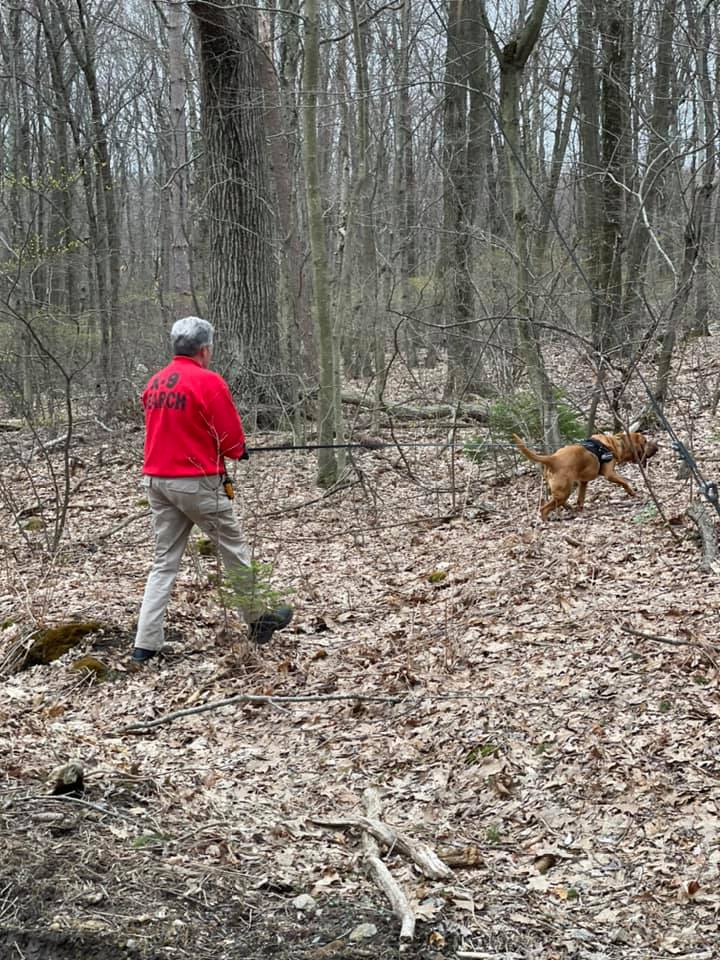
Please Note: Owning a dog is not a requirement for membership. Team members with varied and specialized skills can play important roles in search-and-rescue. Some of the Tactical Support Specialists are active with CCSAR for quite awhile, only later deciding to select and train a dog.
CCSAR members regularly spend many hours together developing the team, training our canine partners, and educating the community and other service providers, in addition to actually searching for a lost person. Cohesiveness of the group is an absolute imperative for the successful functioning of the team.
Some of the characteristics we look for in prospective team members: Self-starting, trustworthy individuals who derive satisfaction from helping others and others learn. Willingness to contribute to, and blend into, a team effort. Patience and an even temperament: an ability to exercise a sense of humor in less than optimal conditions (bad weather, fatigue, confusion, disappointment).
Tactical Support Team
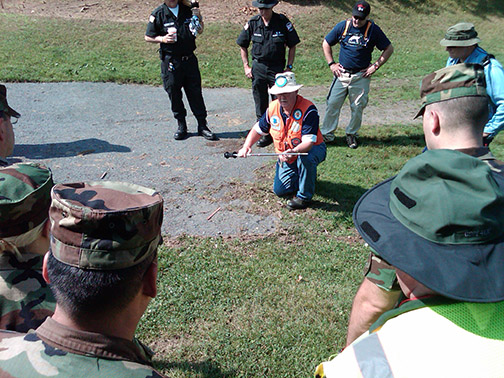
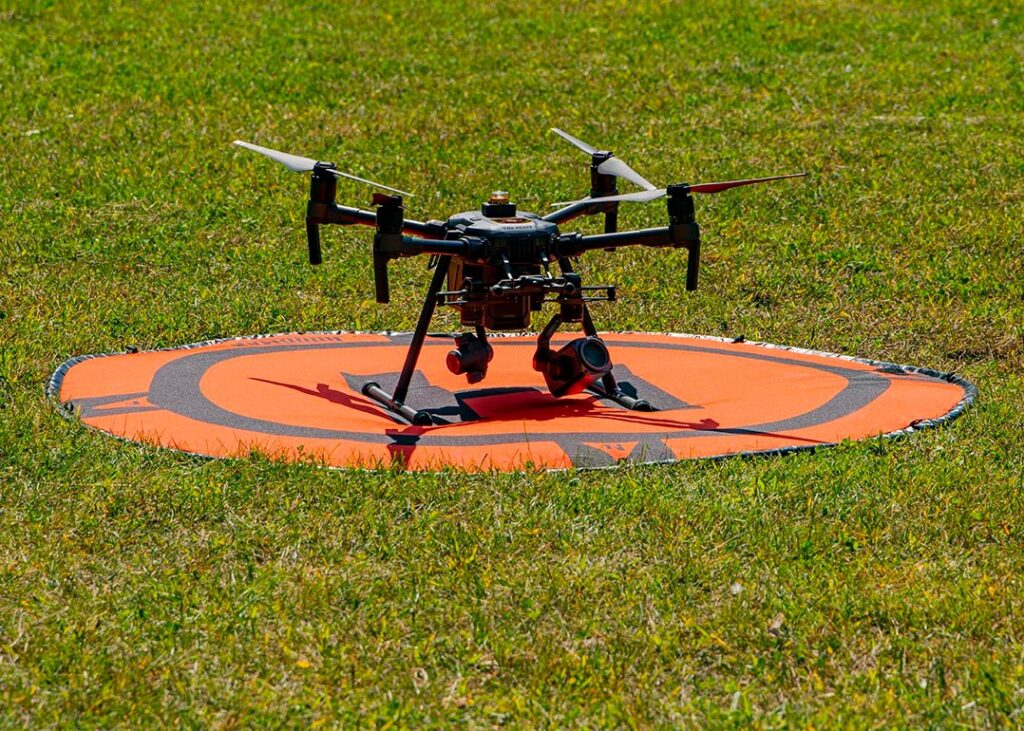
Opportunities abound for active CCSAR members who do not wish to handle a search dog. These members meet the same standards as dog handlers, and also take the courses Managing the Lost Person Incident, FUNSAR, CPR, and First Aid.
From field work with dog teams to operations management and community outreach, CCSAR has roles for those who offer their talent and skills and are willing to work side-by-side with other team members. Some of these roles are:
- Search Operations and Management – Operations leader, search manager, overhead team member, base radio operator
- Ground Searching – navigator, sign cutter, dog handler backup
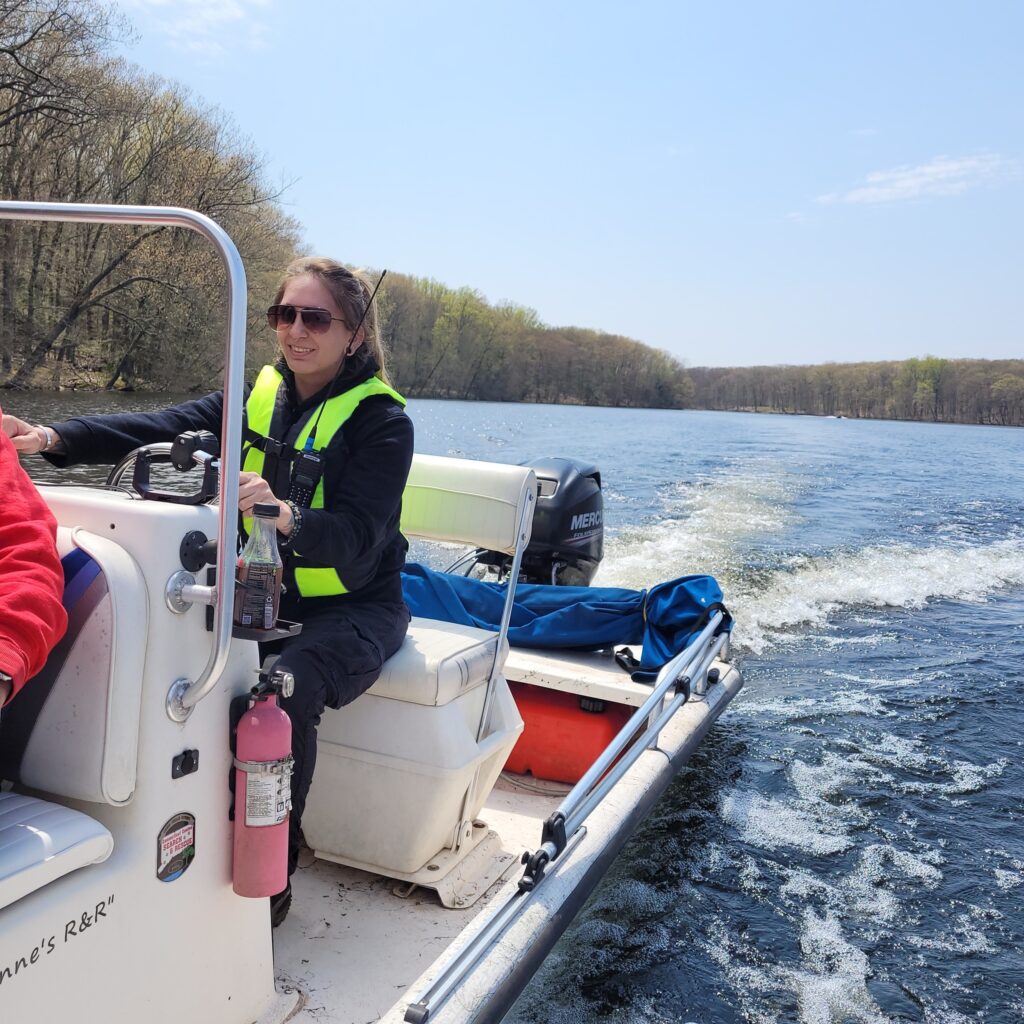
- Water Searching – boat handling, navigation specialists, SCUBA Education – teaching subjects such as search planning and strategy, canine training and scenting topics, map-and-compass and other skills, both to CCSAR members and to other agencies
- Outreach – coordination of public appearances and demonstrations to fire departments, police, dive teams, schools, fundraising and grant writing, newsletter editing, photography
- Setting up training scenarios, search sectors, and training problems
- Assisting handlers in dog training
- Interviewing, investigation, debriefing
- Liaison to governmental agencies, regional search planning, other SAR entities
- Equipment operation/maintenance – Operational Support Vehicle, boats, generator, etc.
Operational Canine Teams
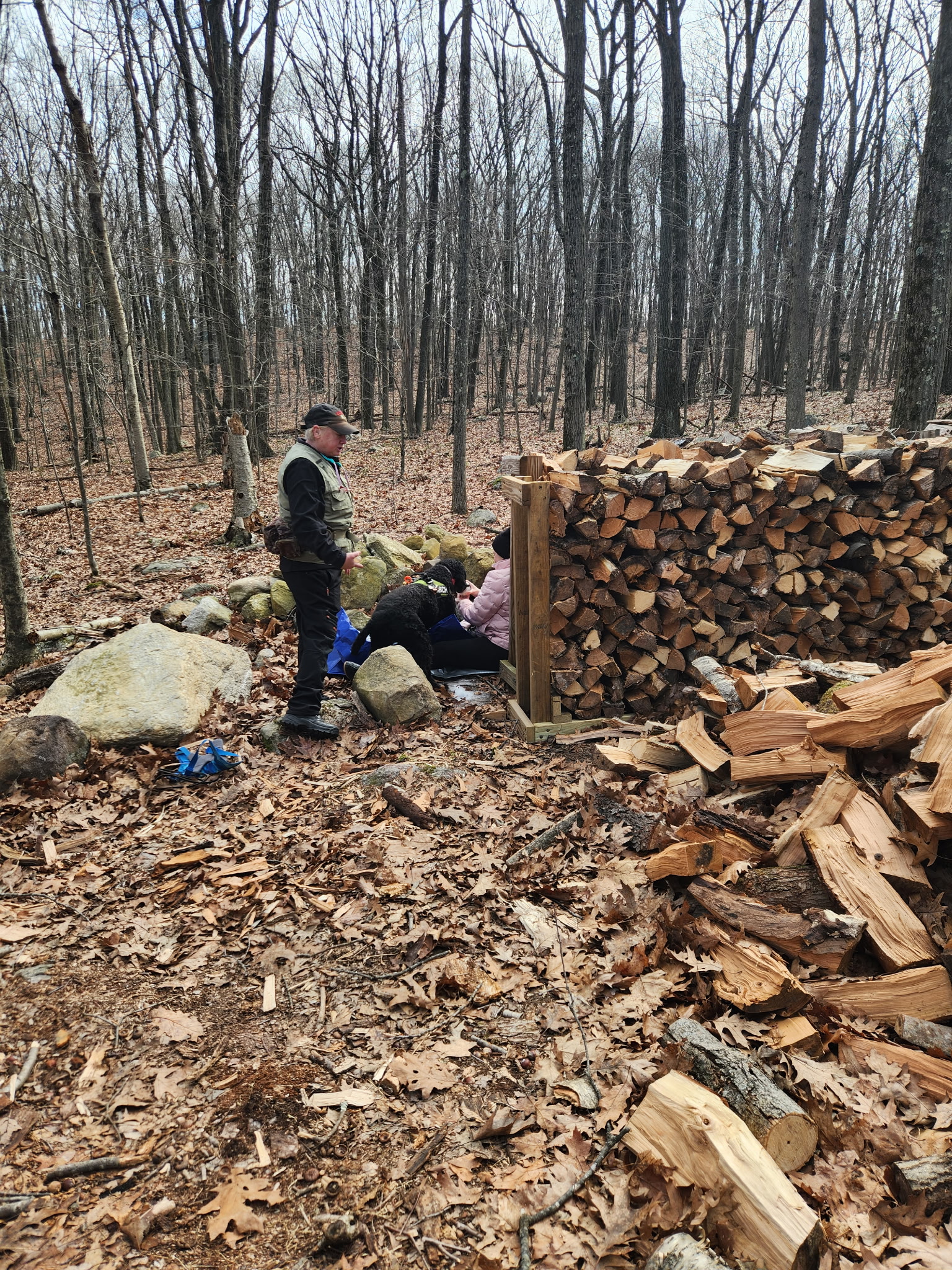
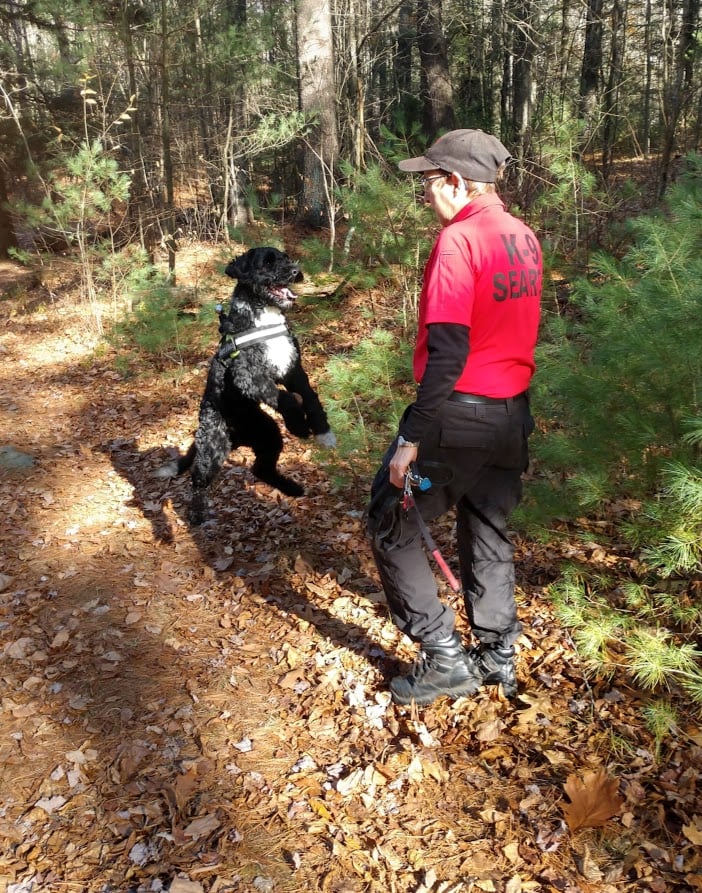
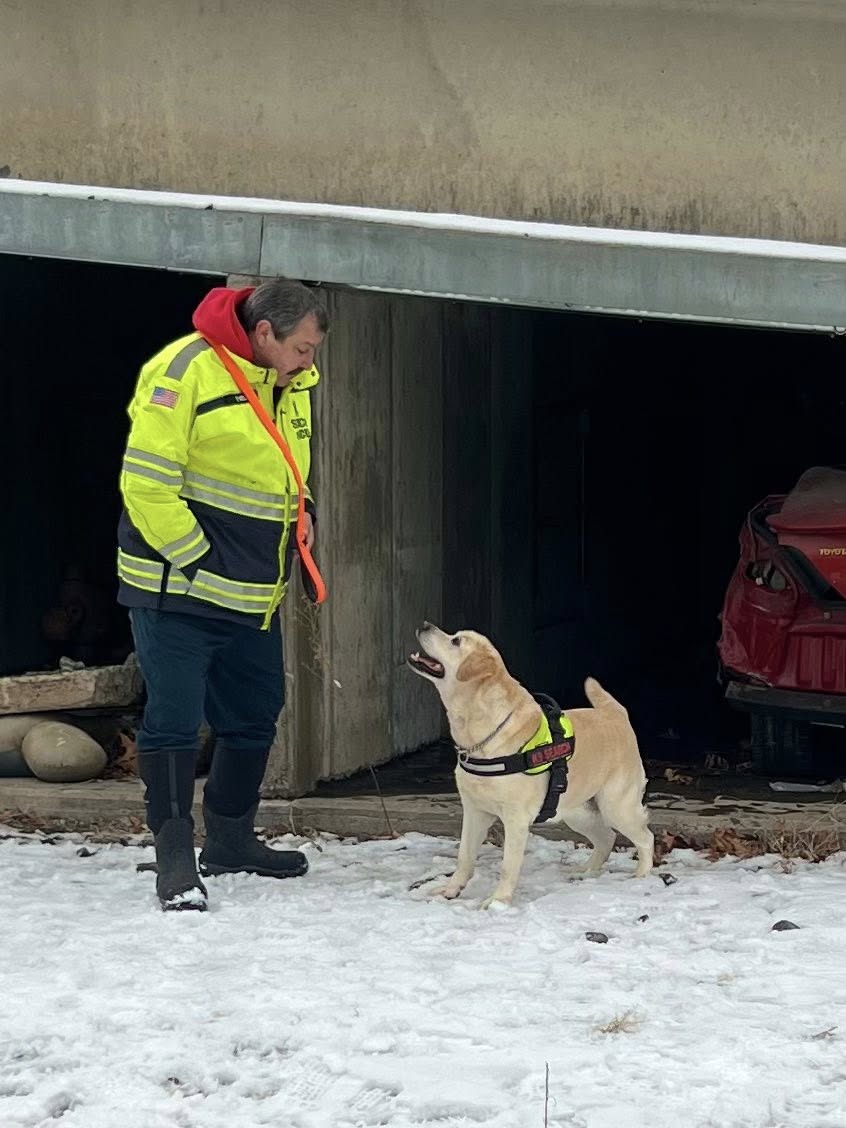
Members with canines work on the skills in their check-off list to meet CCSAR standards in either air scent or trailing. The dog should be confident, capable of working with intensity and enthusiasm and remaining focused on task. He should be eager to please his handler, be outgoing and friendly, and not be aggressive towards people or other dogs. Upon completing the requirements of the Standards, they are eligible to take a 40-acre test under an outside evaluator to achieve Operational status.
After successfully completing this test, a dog/handler team will be considered mission-ready and will be placed on the search call-out roster. It is important to emphasize that all dog training is the responsibility of the handler. CCSAR does not train your dog — you do. Our training sessions are primarily for keeping the dog’s skills sharp.
Voting membership in CCSAR is tied both to meeting specific standards and skills as well as a demonstrated commitment and compatibility with the unit. CCSAR members will evaluate you and your understanding of the By-Laws, Standards and Code of Ethics. Trainees who have demonstrated this commitment and compatibility may be asked to join CCSAR by a vote of the membership.
Advanced Operational status for canine teams and search specialists is dependent on continued skill development and proficiency testing to a higher level than Operational. Training for these higher levels is found both within CCSAR and outside of the group.